
Register now to gain access to all of our features. Once registered and logged in, you will be able to contribute to this site by submitting your own content or replying to existing content. You'll be able to customize your profile, receive reputation points as a reward for submitting content, while also communicating with other members via your own private inbox, plus much more! This message will be removed once you have signed in.


Admin
Administrators-
Content count
5054 -
Joined
-
Last visited
Posts posted by Admin
-
-
You tried to make such an antenna...????
Mavic Air Long Range Antenna Helical
3 cylindrical spirals and 3 hemispherical spirals ...? /
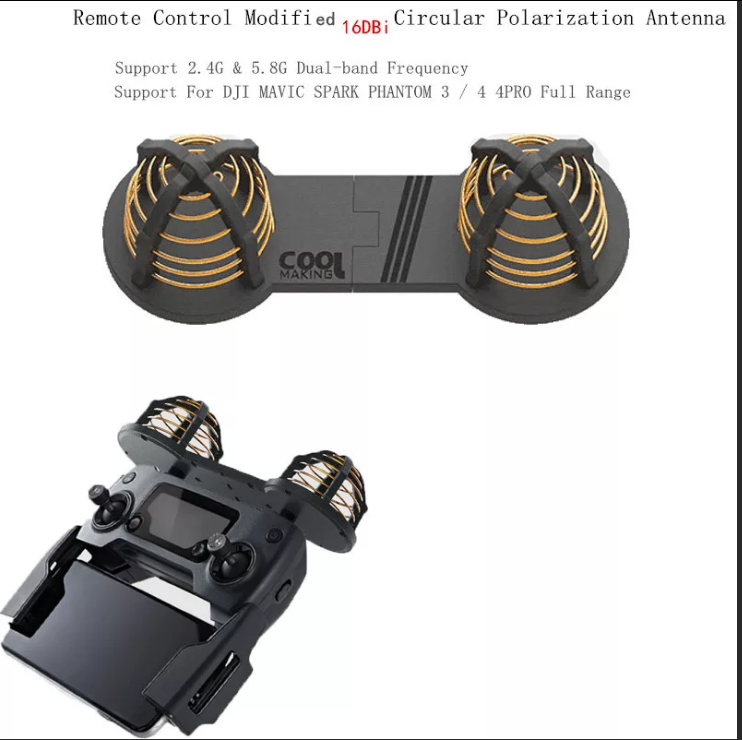
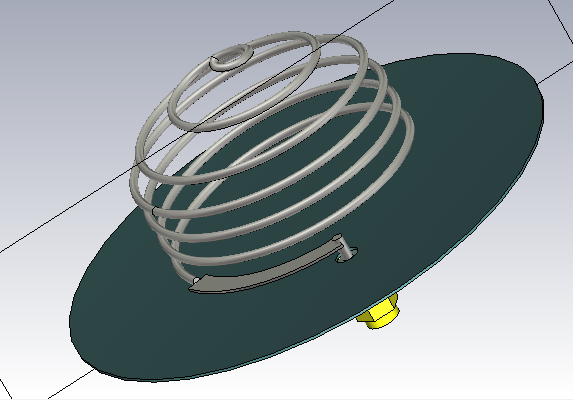
,,,the power supply of the helix antenna is not in the center, it is on the perimeter of the helix>>>
,,,something like that...!!!
-
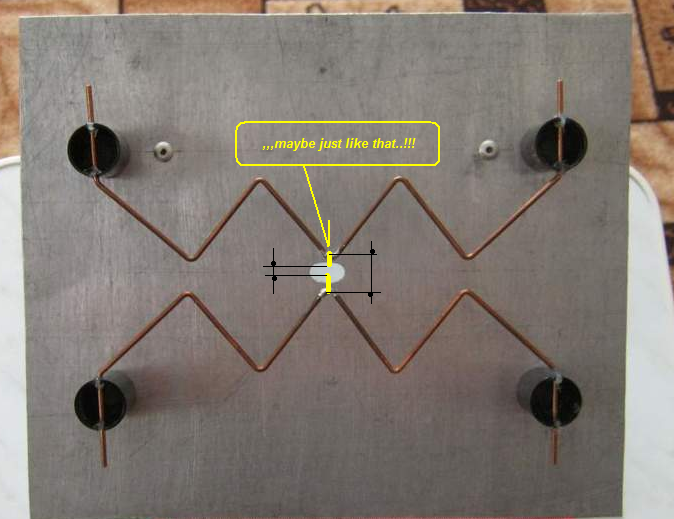
,,,why don't you read this post carefully,,,?
-
I don't understand exactly what you mean...!!!
-
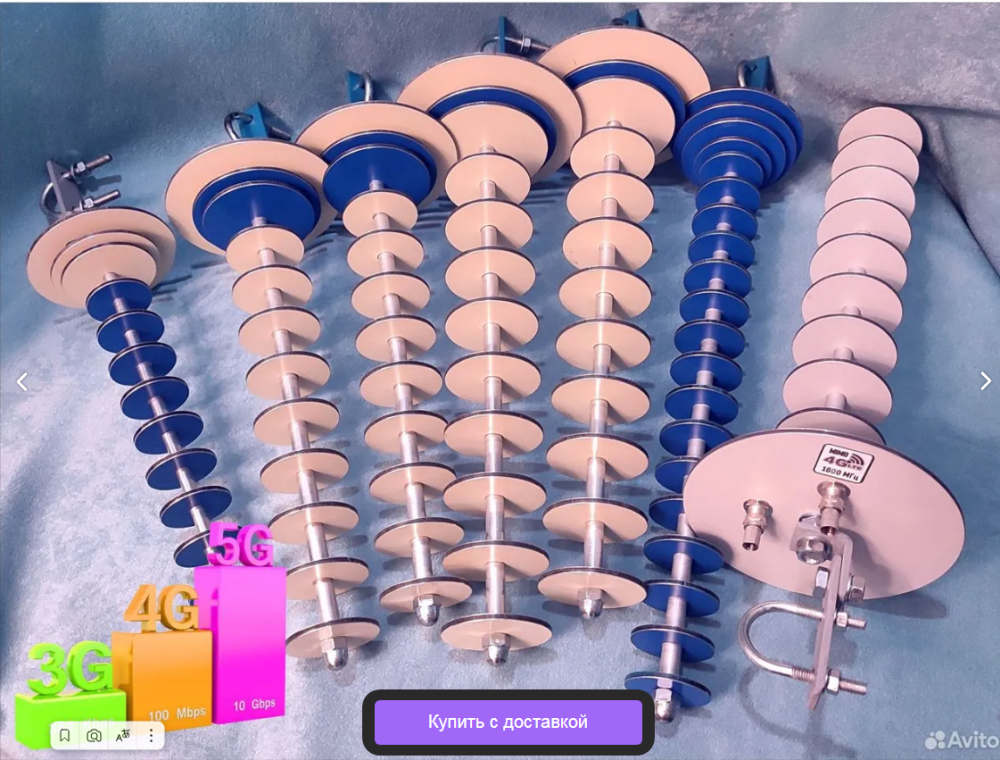
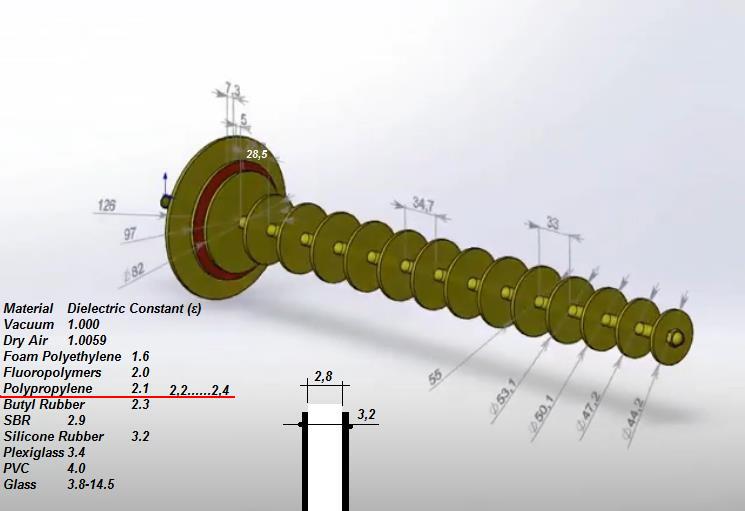
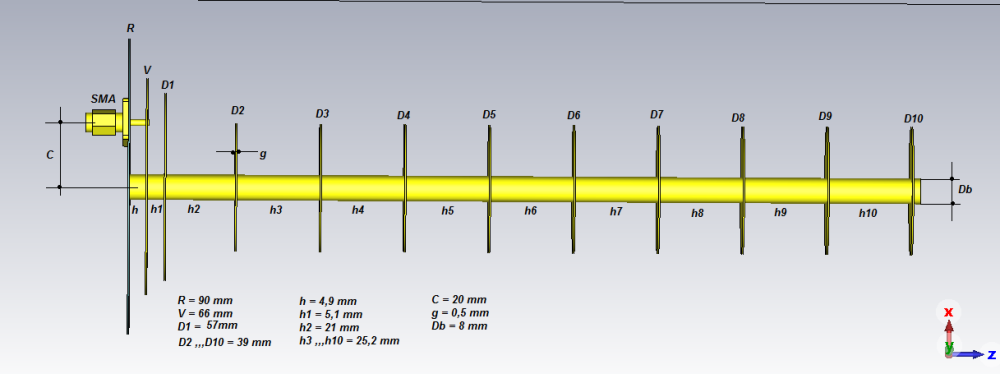
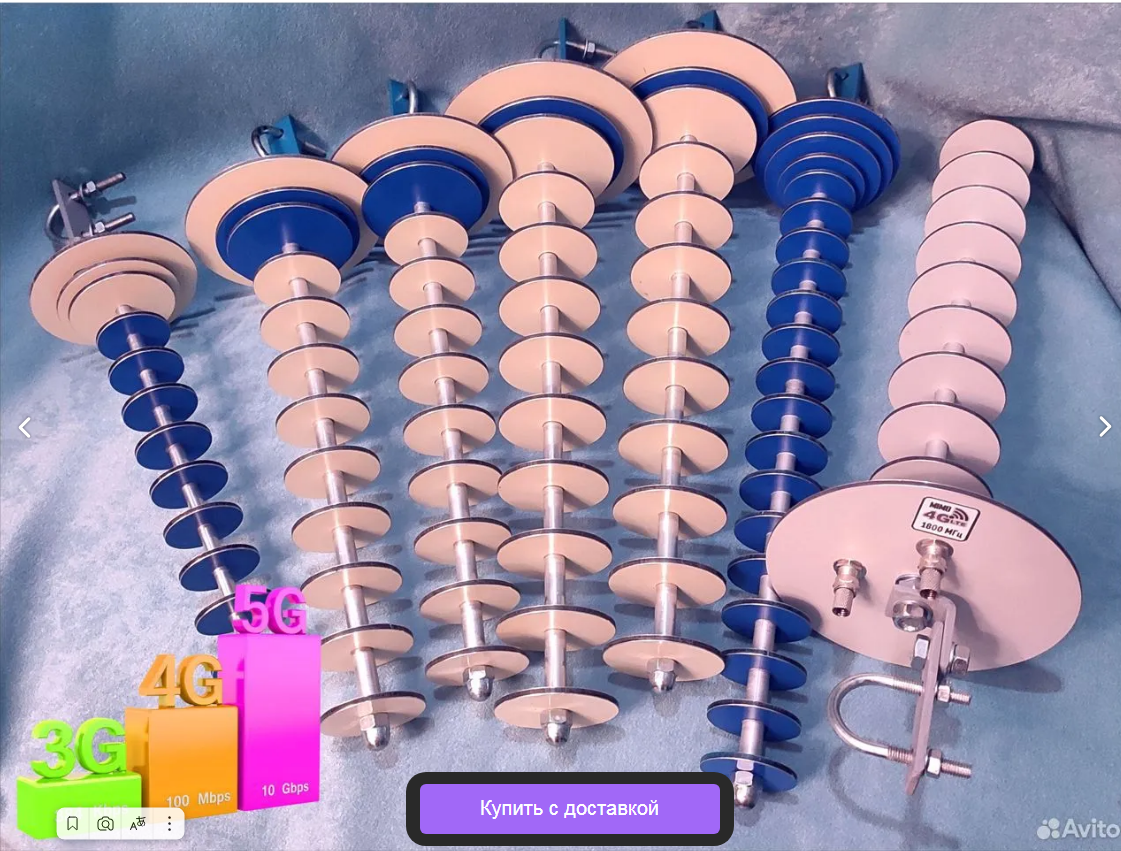
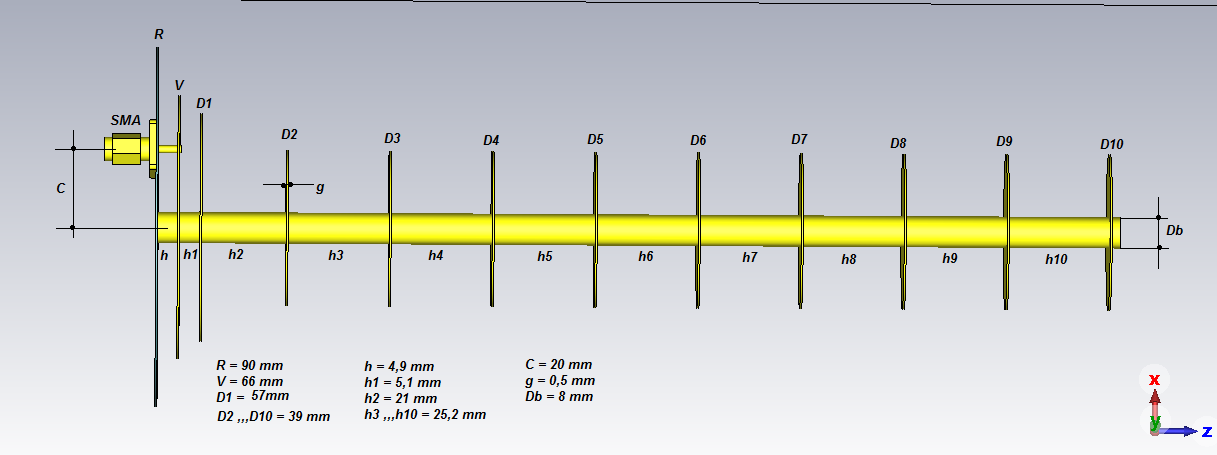
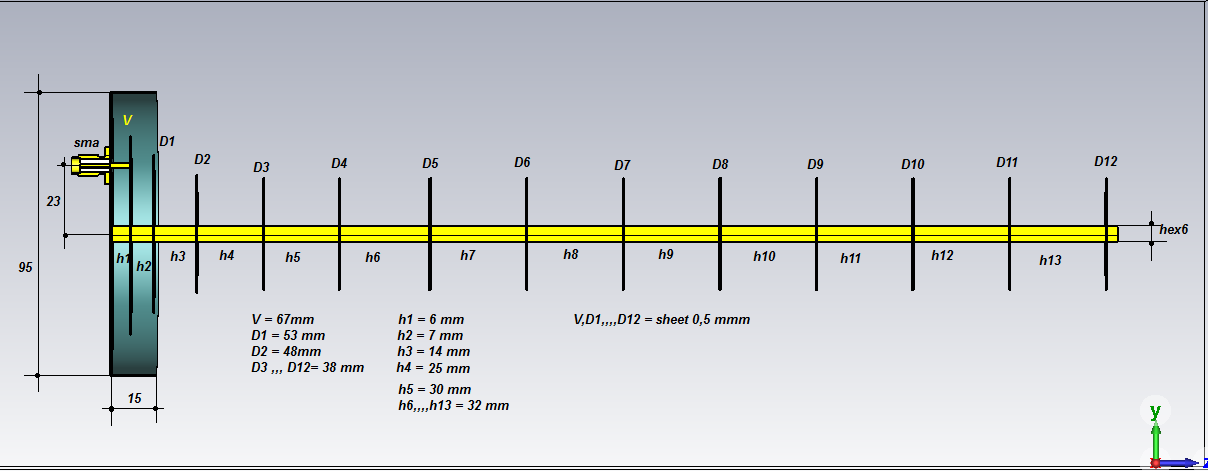
A directional antenna for receiving Wi-Fi signals over long distances, with a gain of 14.2 dB. Also known as a Wi-Fi gun. It has F-connectors at the inputs. This antenna model is designed to receive Wi-Fi signals from routers with an average frequency of 2440 MHz. The development and modification of this model was made possible by the efforts of Igor Panchenko, an engineer from Voronezh. By using composite materials to make the antenna instead of sheet metal, it was possible to achieve more stable operation of this model and make the product much lighter. The composite material consists of two layers of thin, pre-painted aluminum sheet, with polypropylene sandwiched between them. As a result, the antenna uses 24 disks instead of 12. It includes a paired reflector, an active disk, and directors.
Wi-Fi antenna "Konus" with gain up to 17 dBi (maximum 16.8 dBi). The antenna is made of composite materials, the output is an F-connector (if you wish, you can install two connectors-free of charge).All four types of SMA connectors can be installed (SMA-male, RP-SMA-male, SMA-Female, and RP-SMA-Female).Wi-Fi antennas are usually used to receive or transmit signals from home routers or from free Wi-Fi access points of operators installed in localities. To receive a signal, you can use both a Wi-Fi adapter and almost any Wi-Fi router configured in repeater mode. The router is even more convenient, you can immediately receive and distribute a Wi-Fi signal.
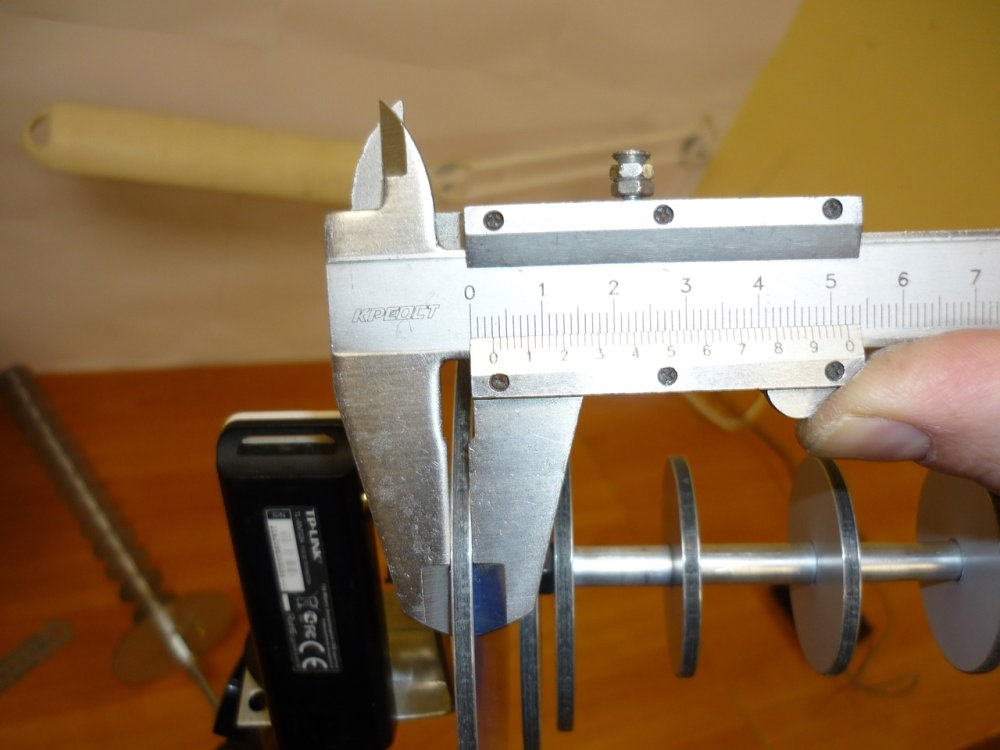
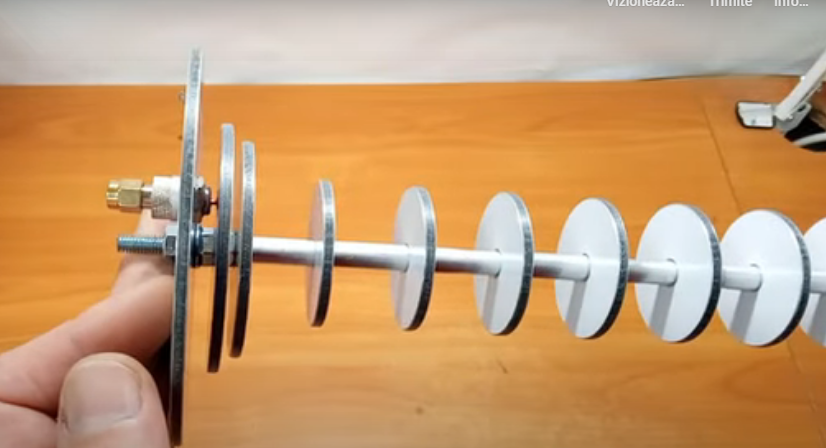
Material Dielectric Constant - Polypropylene -2,1,,,,,2,4
 1 person likes this
 -
,,,and this works just as well...
-
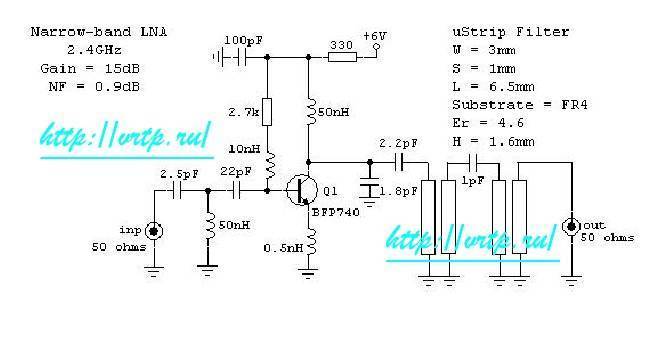
,,,and another 2.4 GHz amplifier scheme...
 3 people like this
 -
Most of the parts on these planes are tabbed or slotted for ease of contruction and alignment...
-
Bester optimized...ensures impedance uniformity over the entire frequency band...!!!!
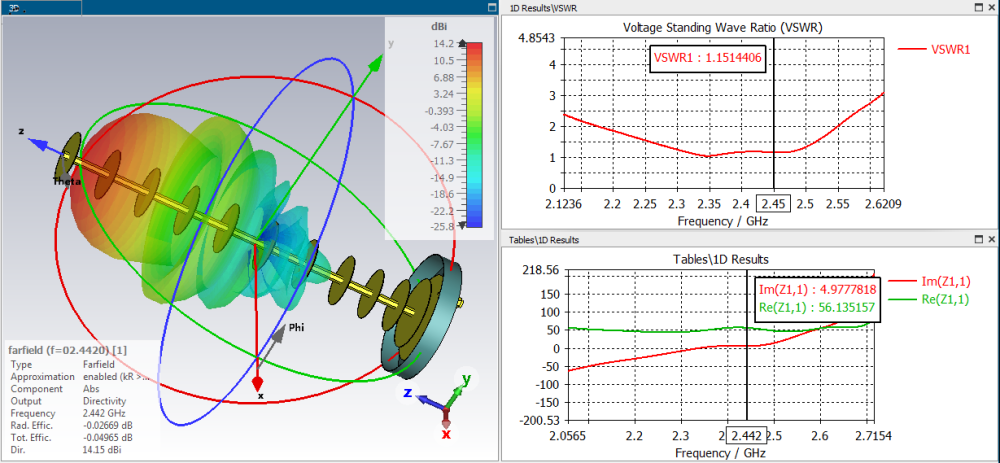
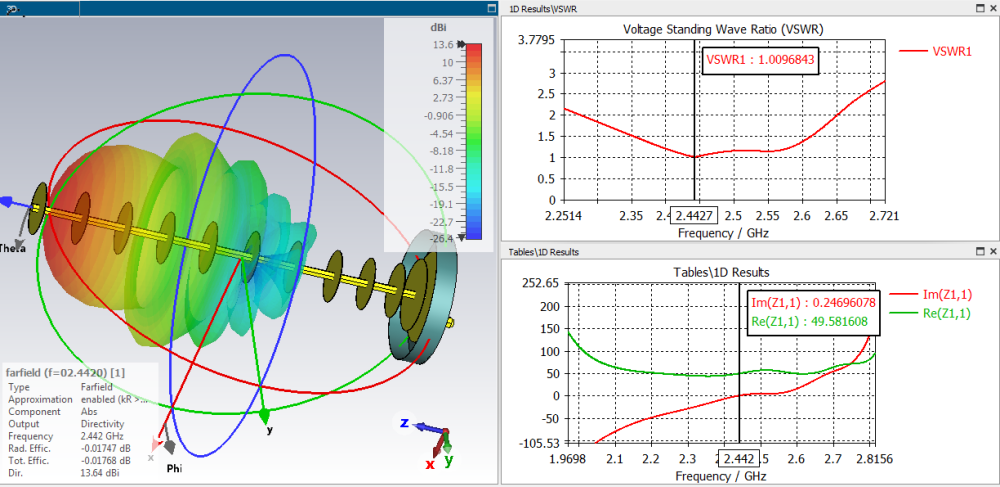
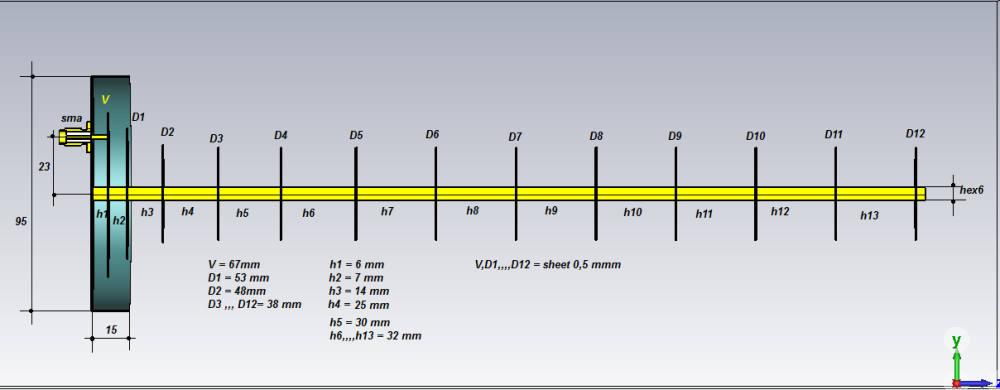
I think that of all those who tried to adapt this antenna, few succeeded...!!!
1 person likes this -
,,,it's not like that...!!!
-
,,,you can also use something like this,for cutting patches...!!!
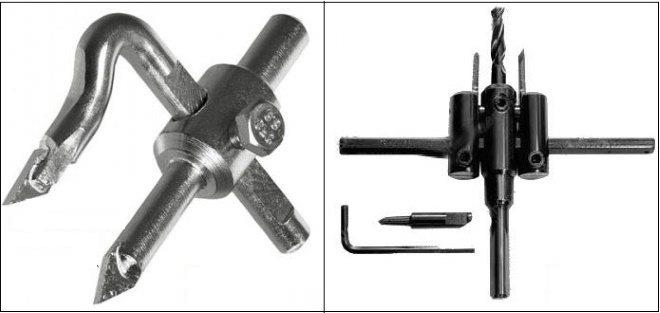 2 people like this
 -
,,,how to build a Bester antenna....
1 person likes this -
,,,show me where you saw...!!!
-
-
,,,the gain it"s aprox 15dBi...you can try whith 75 Ohm cable impedance...!!!
-
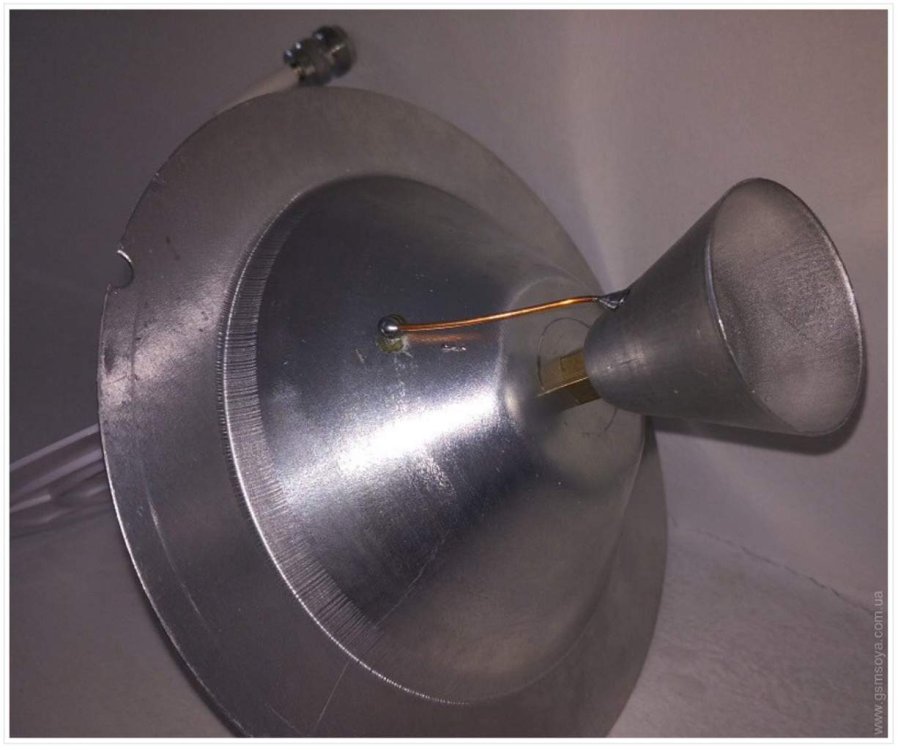
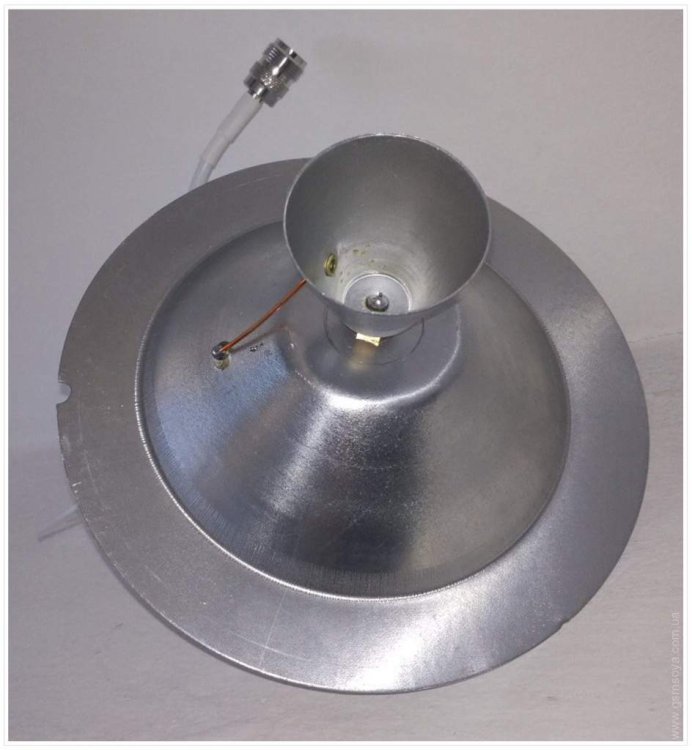
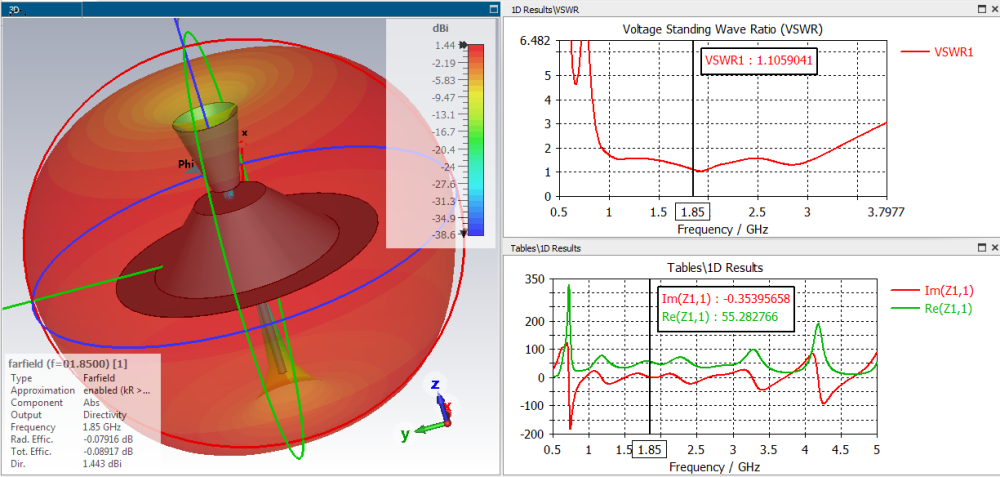
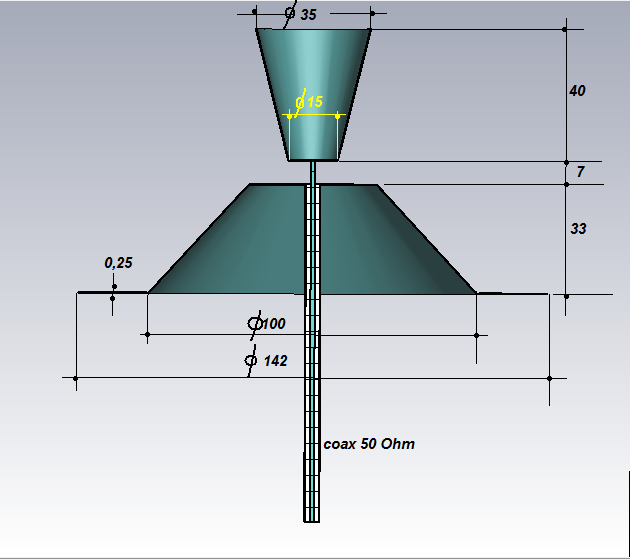
,,,another type of omni antenna...
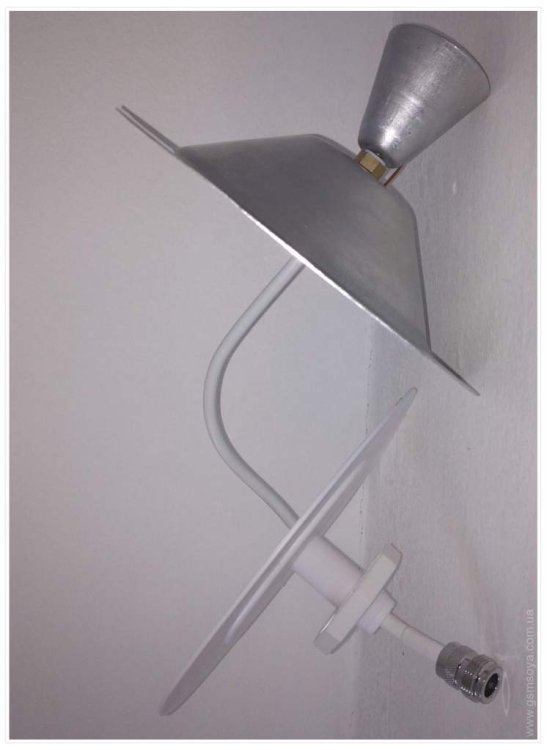
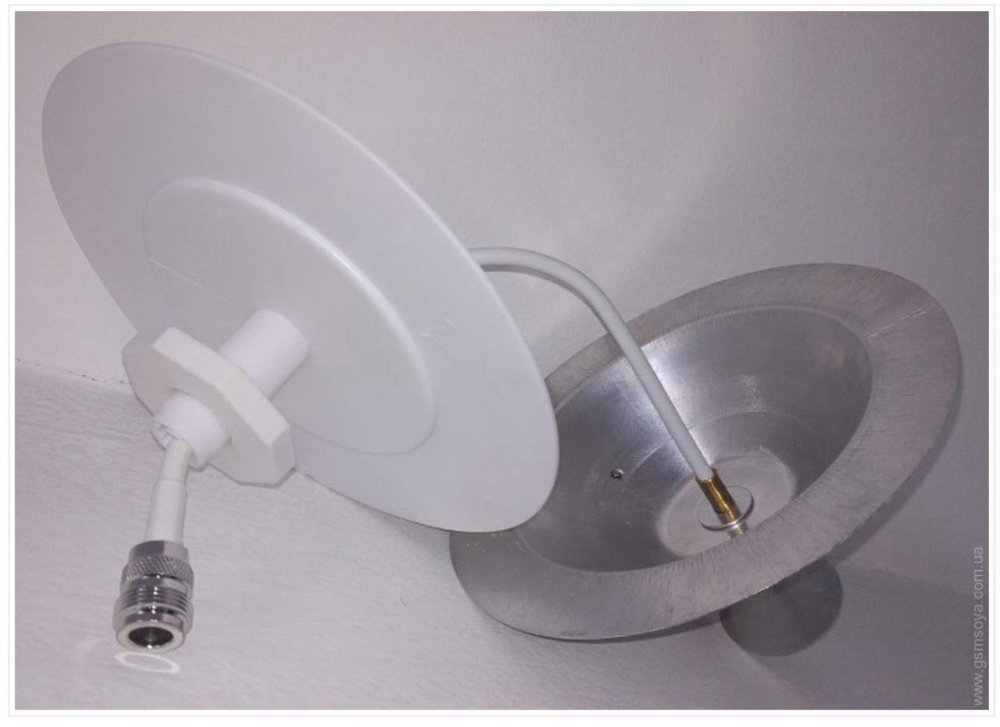
 1 person likes this
 -
-
-
,,,,yes, but behind the omni antenna, you need a conical,elliptical, paraboloid reflector...!!!
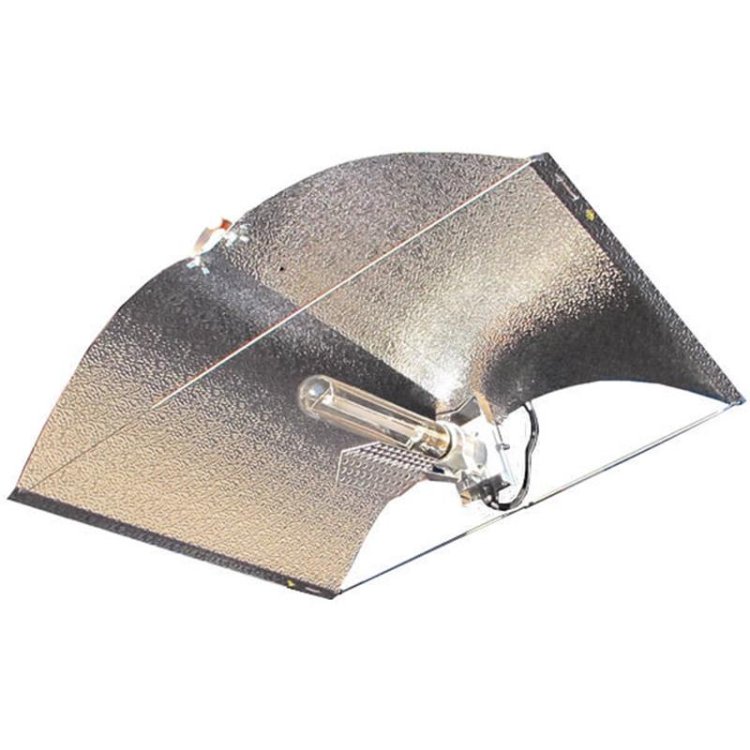
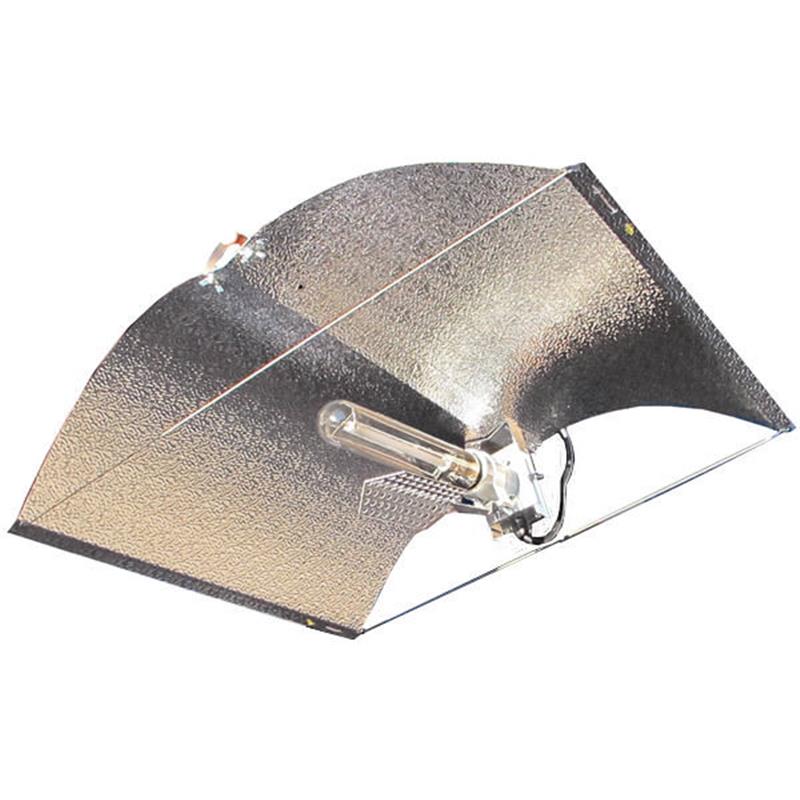
,,,the simplest conical reflector...
-
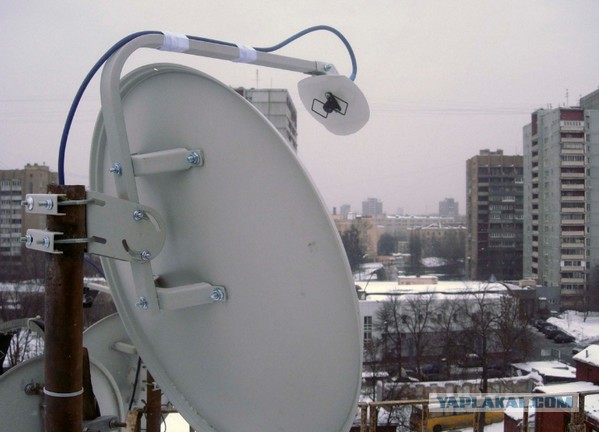
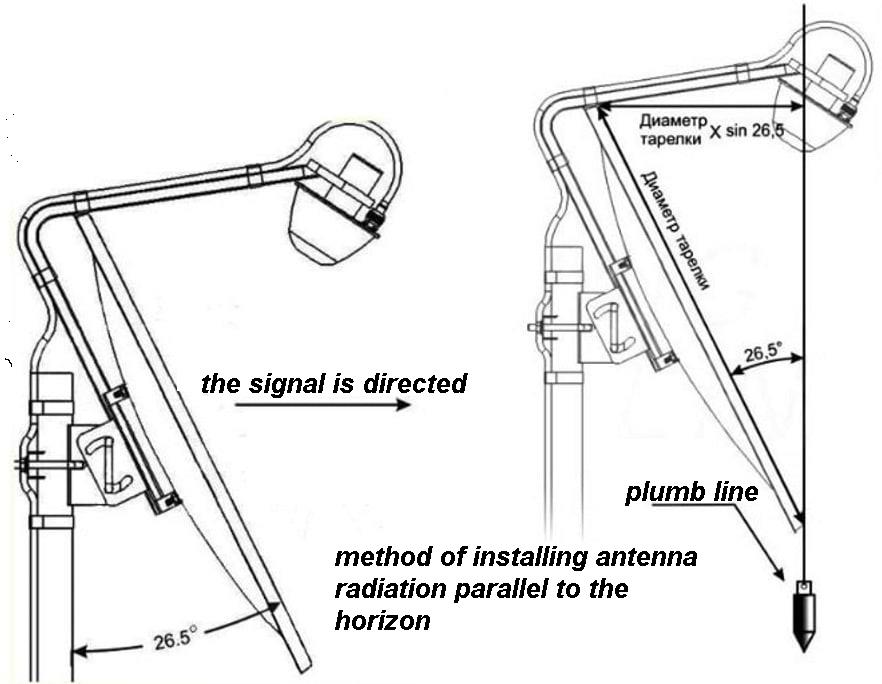
,,,the offset dish must be placed like this...
-
,,,,,how it looks coax collinear antenna 5dbi ...????
-
,,,why...??
-
,,,the length of the coaxial cable must be a multiple of a quarter wavelength multiplied by the shortening factor of the cable(also NVP from English Nominal Velocity of Propagation )
Cable The shortening factor VKF (also NVP from English Nominal Velocity of Propagation )
Open band line=95-99%
Belden 9085 (ribbon cable)=80%
RG-8X Belden 9258 (coaxial cable)=82%
RG-213 CXP213 (coaxial cable)=66%
1 person likes this -
,,,hi buddy...!!!
,,,why don't you look here...???
-
12dBi 2.4G WIFI Signal Receive Or Transmit Yagi Directional Antenna Computer from....https://www.aliexpress.com/item/1005004674158845.html,it is made with PVC insulating boom rod.
,,,not everything that flies can be eaten...!!!
.thumb.jpg.27444330c07881b3c4025b2b59c67a9f.jpg) 1 person likes this
1 person likes this
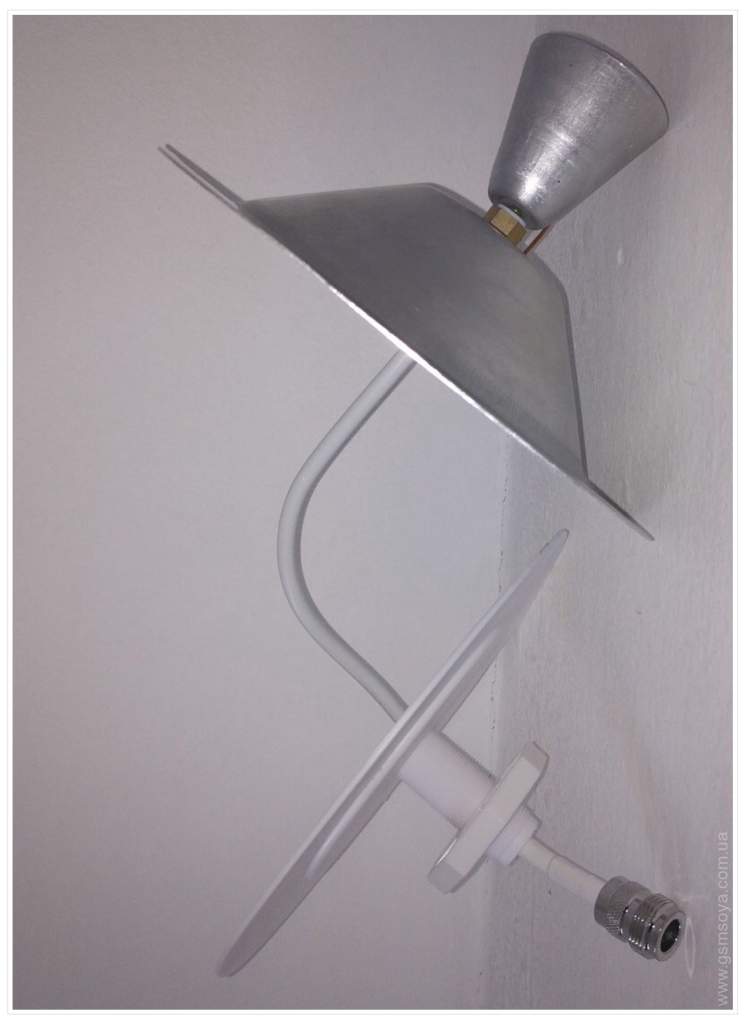
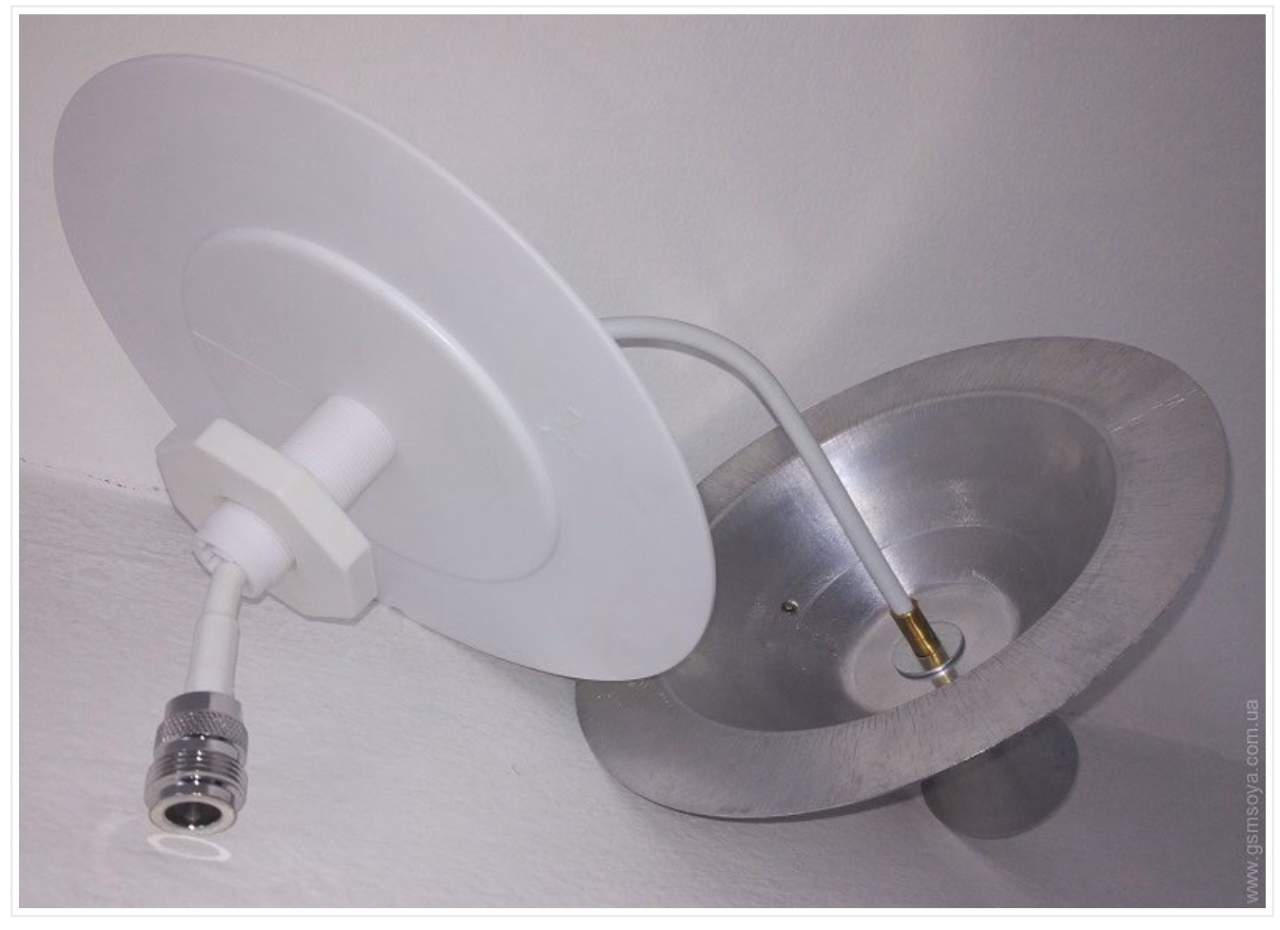
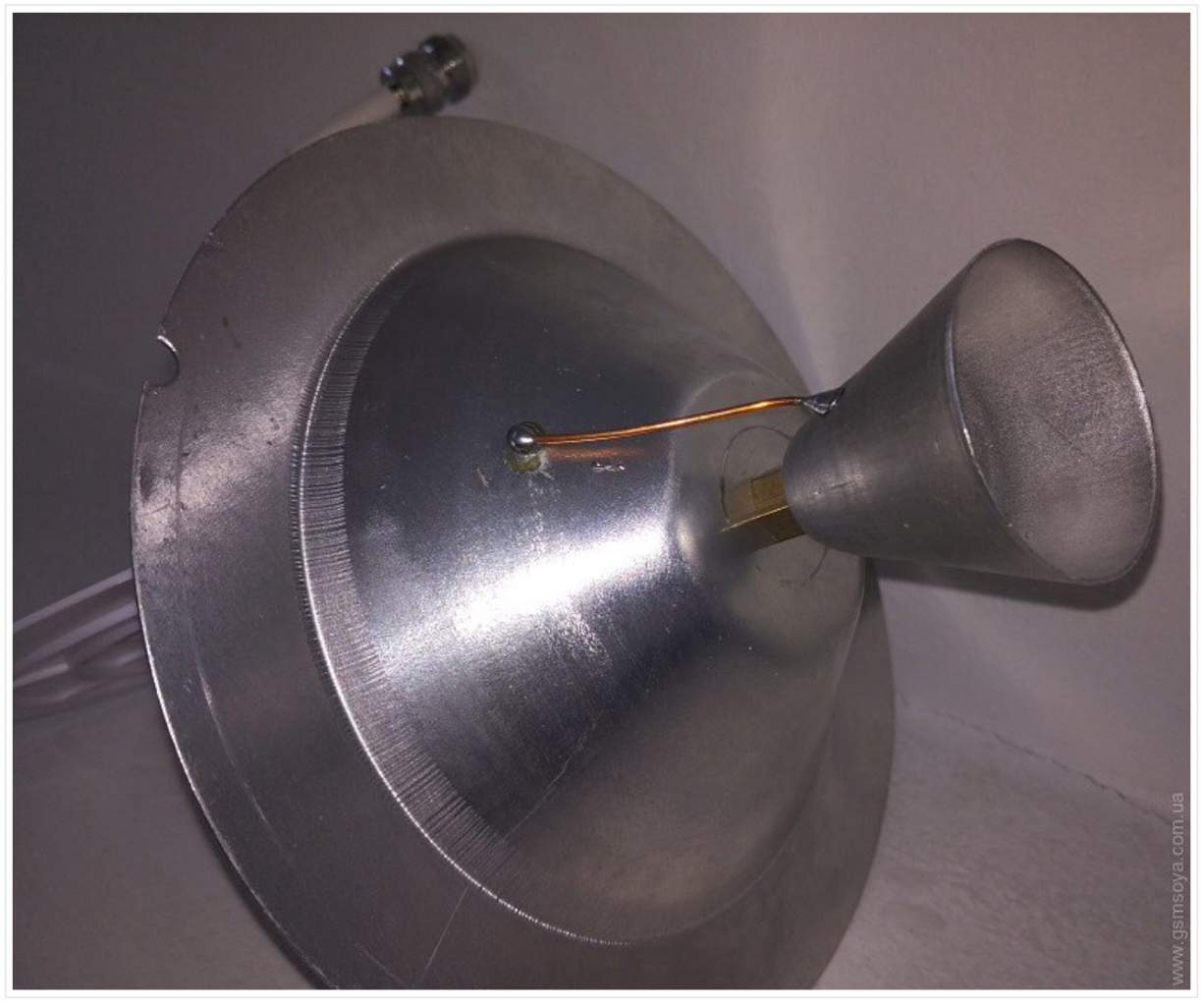
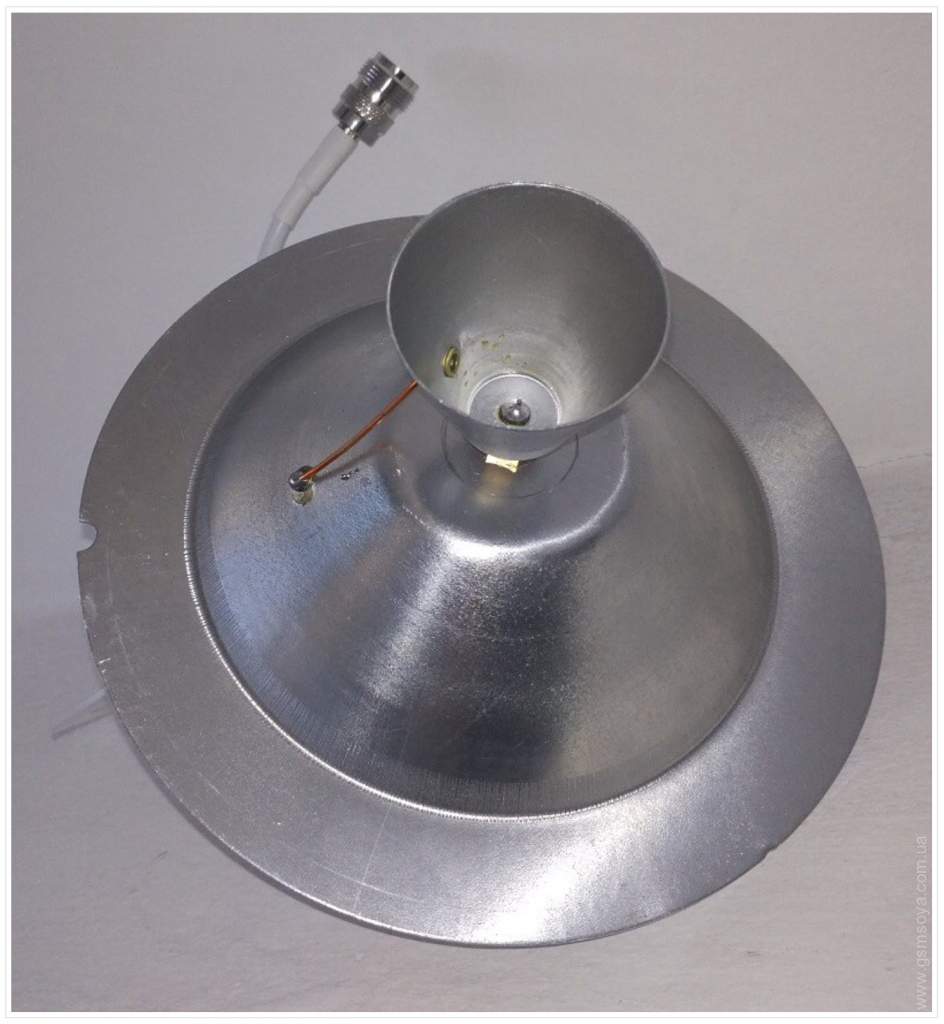
.jpg.e9770775cd5a00f5dd5c89d7c3837be9.jpg)
in Antennas for 2.4 GHz band
Posted
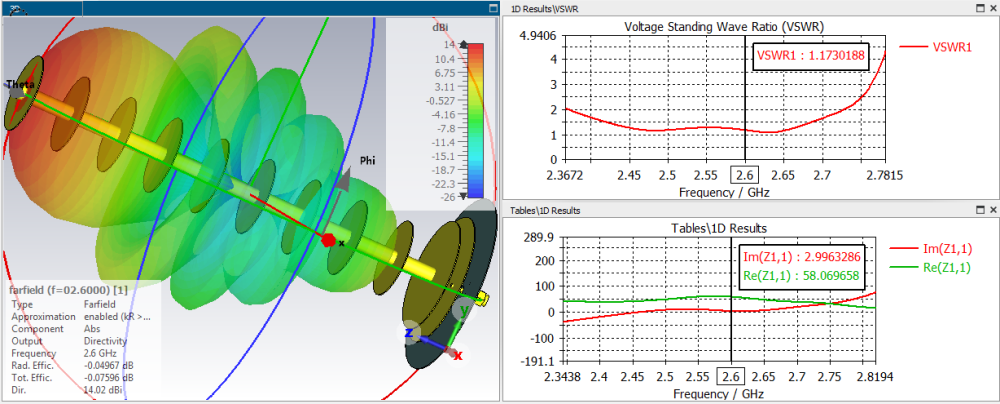
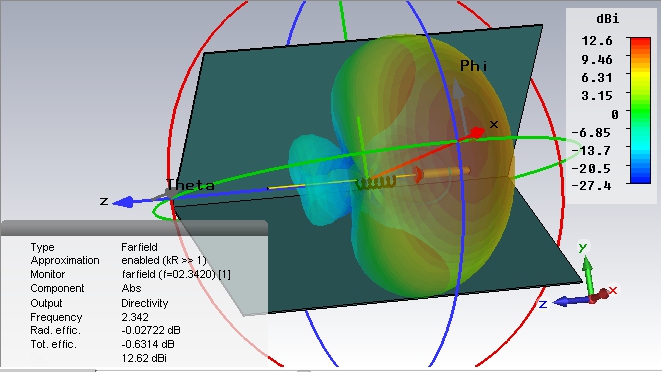
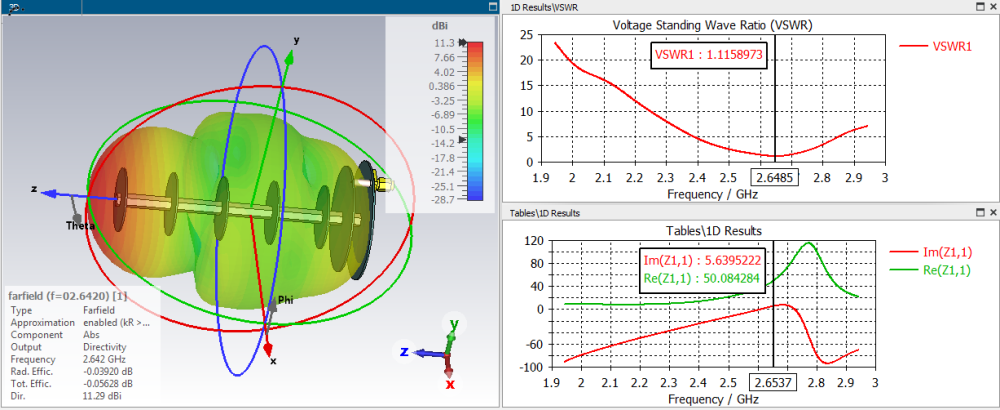
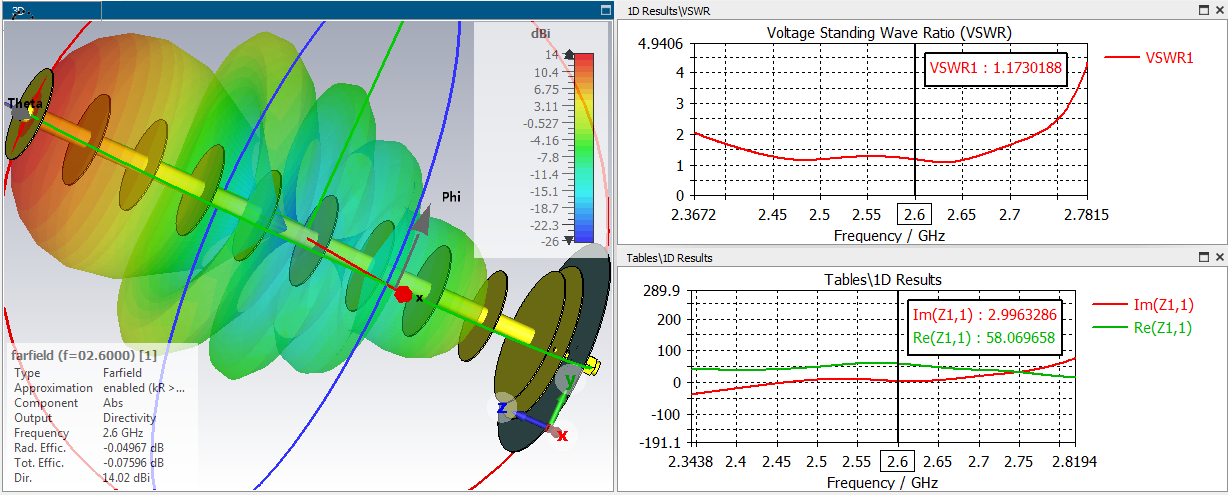
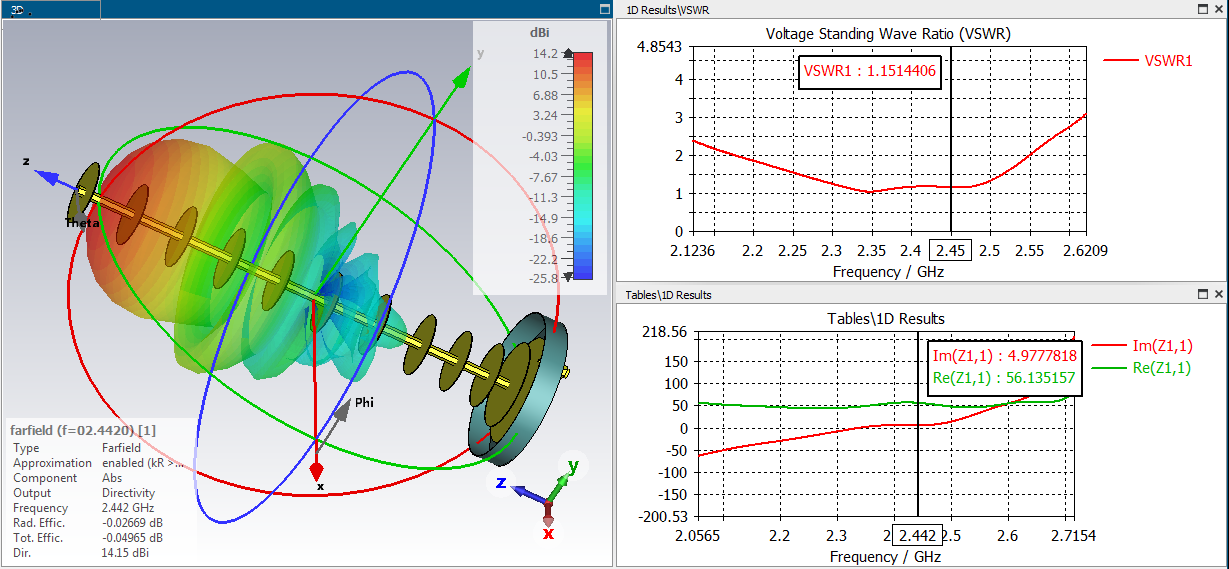
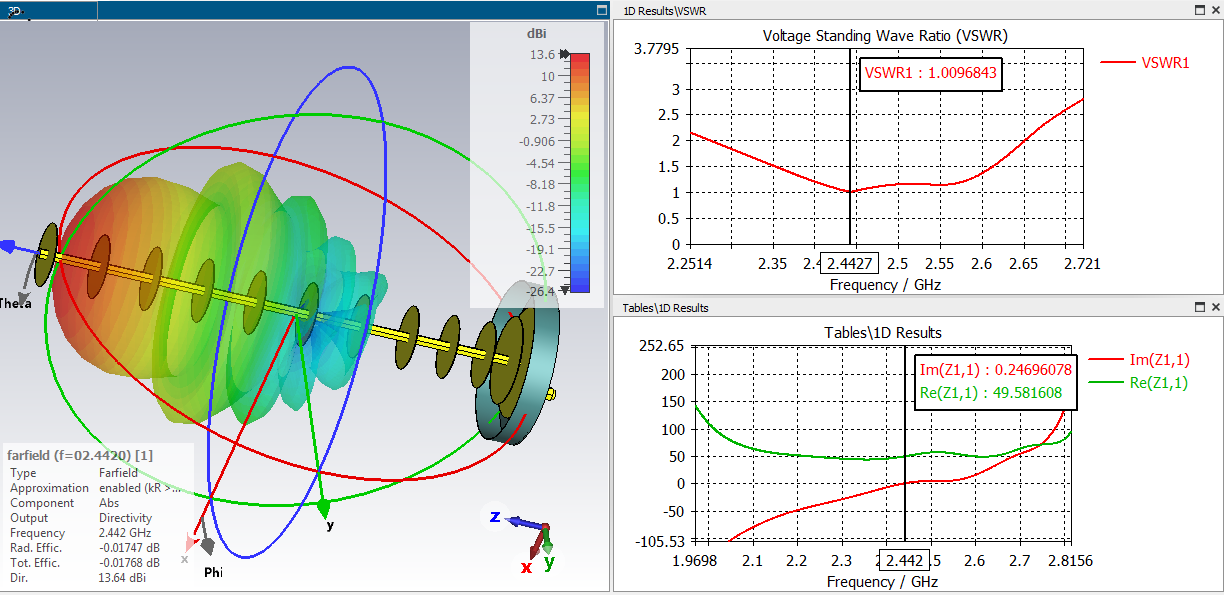
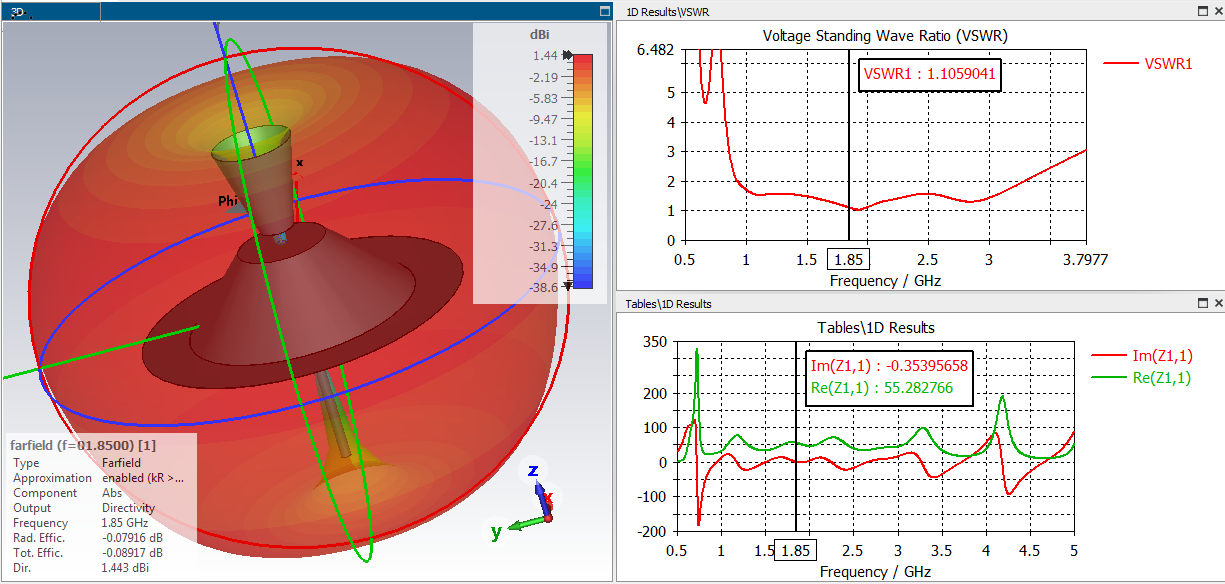
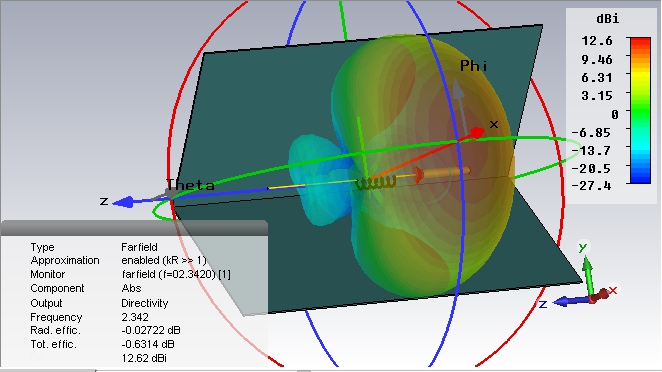
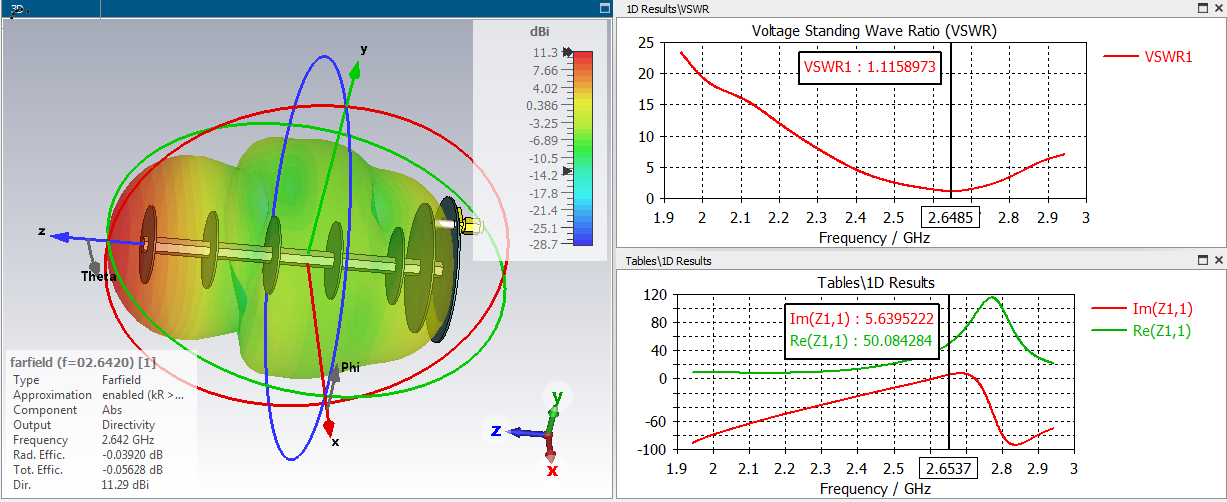
,,, these would be the results of your antenna simulation...